
Hollywood Prop Makers Oppose California's Proposed 3D-Printed Gun Ban
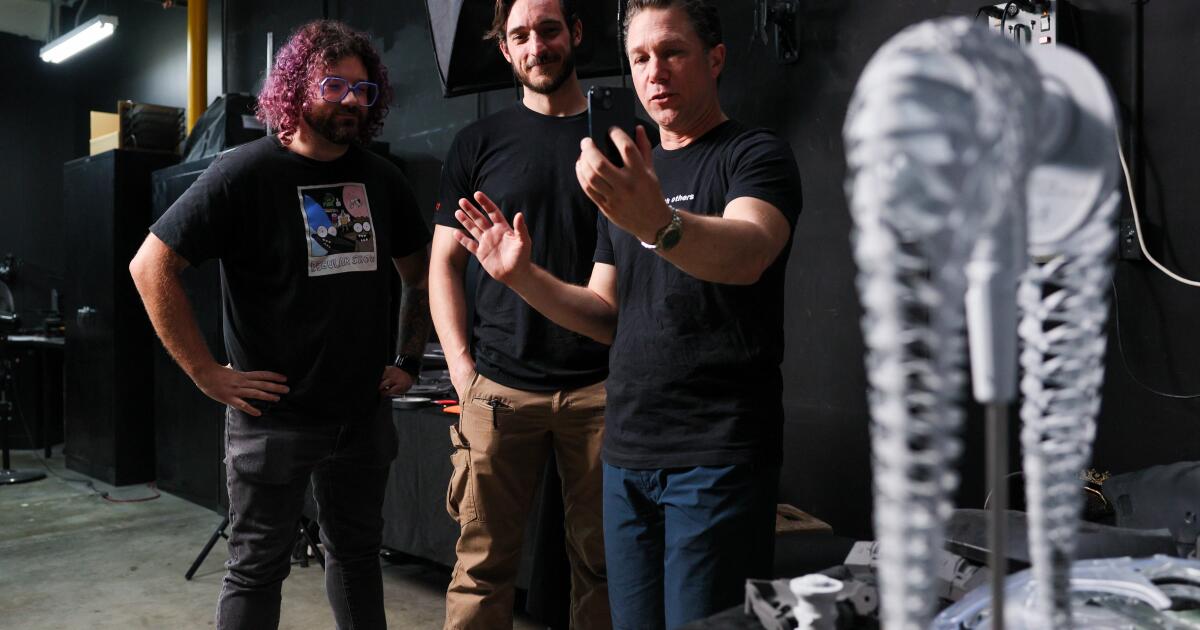
California movie prop makers are challenging a legislative push to restrict 3D printing technology used to manufacture untraceable firearm components.
Legislative Objectives and Restrictions
A new legislative proposal in California aims to mandate that 3D printing hardware and software include built-in safeguards to prevent the creation of firearm components. State lawmakers intend for these measures to curb the production of so-called 'ghost guns'—unserialized, untraceable weapons often manufactured using digital files.
The bill seeks to target the intersection of additive manufacturing and unregulated weaponry. By implementing technical blocks within the printing process, officials hope to mitigate the proliferation of homemade firearms that bypass traditional background checks and serial number tracking.
Industry Concerns Over Broad Mandates
The proposal has met unexpected resistance from the film and television industry. Prop makers and technical specialists within Hollywood argue that the language of the bill is overly expansive and could inadvertently cripple legitimate creative workflows.
Professionals in the industry rely heavily on 3D printing for creating high-fidelity replicas, costume accessories, and specialized set pieces. They contend that broad restrictions on 3D printing technology could lead to:
- Accidental compliance failures during the production of non-weapon props.
- Increased costs for production studios due to specialized software requirements.
- Difficulties in sourcing hardware that meets strict state-mandated digital safeguards.
Prop designers claim the distinction between a functional firearm component and a realistic-looking prop is thin in a digital manufacturing environment. They argue that current proposals do not sufficiently differentiate between malicious intent and professional artistic application.
The Debate Over Technological Safeguards
Supporters of the legislation maintain that the risk posed by unregulated 3D-printed firearms outweighs the potential inconvenience to secondary industries. They argue that modern manufacturing technology has outpaced existing firearm regulations, creating a loophole that endangers public safety.
The debate highlights a growing tension between public safety advocates and the tech and creative sectors. As California continues to refine its approach to untraceable weapons, the technical feasibility of enforcing software-level bans remains a primary point of contention among lawmakers and industry stakeholders.