
NYC Health Officials Investigate 10 Legionnaires' Disease Cases on Upper East Side
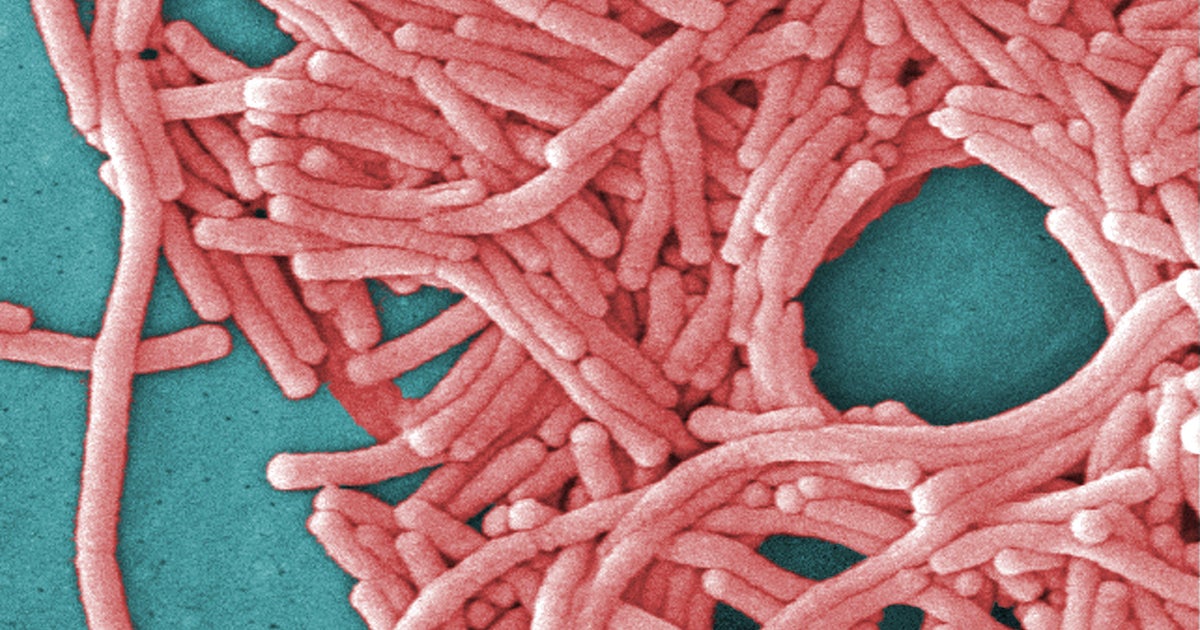
New York City health officials are investigating a cluster of 10 Legionnaires' disease cases identified on the Upper East Side of Manhattan.
Public Health Investigation Underway
The New York City Department of Health and Mental Hygiene has launched an investigation into the recent surge of Legionnaires' disease infections. The cluster is concentrated within the Upper East Side neighborhood, prompting immediate action to identify potential sources of the bacteria.
Legionnaires' disease is a severe form of pneumonia caused by Legionella bacteria. This pathogen typically spreads through the inhalation of contaminated water droplets or mist from sources such as cooling towers, hot tubs, or decorative fountains.
Case Details and Containment
While specific locations or buildings linked to the outbreak have not been released to the public, health officials are working to trace the movements and environmental exposures of the affected individuals. The investigation aims to prevent further transmission by locating and disinfecting any contaminated water systems in the vicinity.
- Total confirmed cases: 10
- Primary location: Upper East Side, Manhattan
- Pathogen: Legionella bacteria
- Investigation status: Active
Symptoms and Medical Guidance
Health experts remind residents and visitors to monitor for symptoms associated with the illness. Common indicators of Legionnaires' disease include high fever, cough, shortness of breath, and muscle aches. In some instances, patients may also experience gastrointestinal issues or neurological symptoms.
If individuals experience severe respiratory distress or a sudden high fever, medical professionals advise seeking immediate healthcare. Early diagnosis and treatment with antibiotics are effective in managing the infection and reducing the risk of complications.
Environmental Safety Measures
City officials may implement mandatory inspections of water systems in high-risk buildings near the cluster area. This proactive measure is standard procedure when managing outbreaks linked to environmental water sources to ensure public safety and compliance with health regulations.

