
5 Essential Personal Finance Books to Master Budgeting and Investing
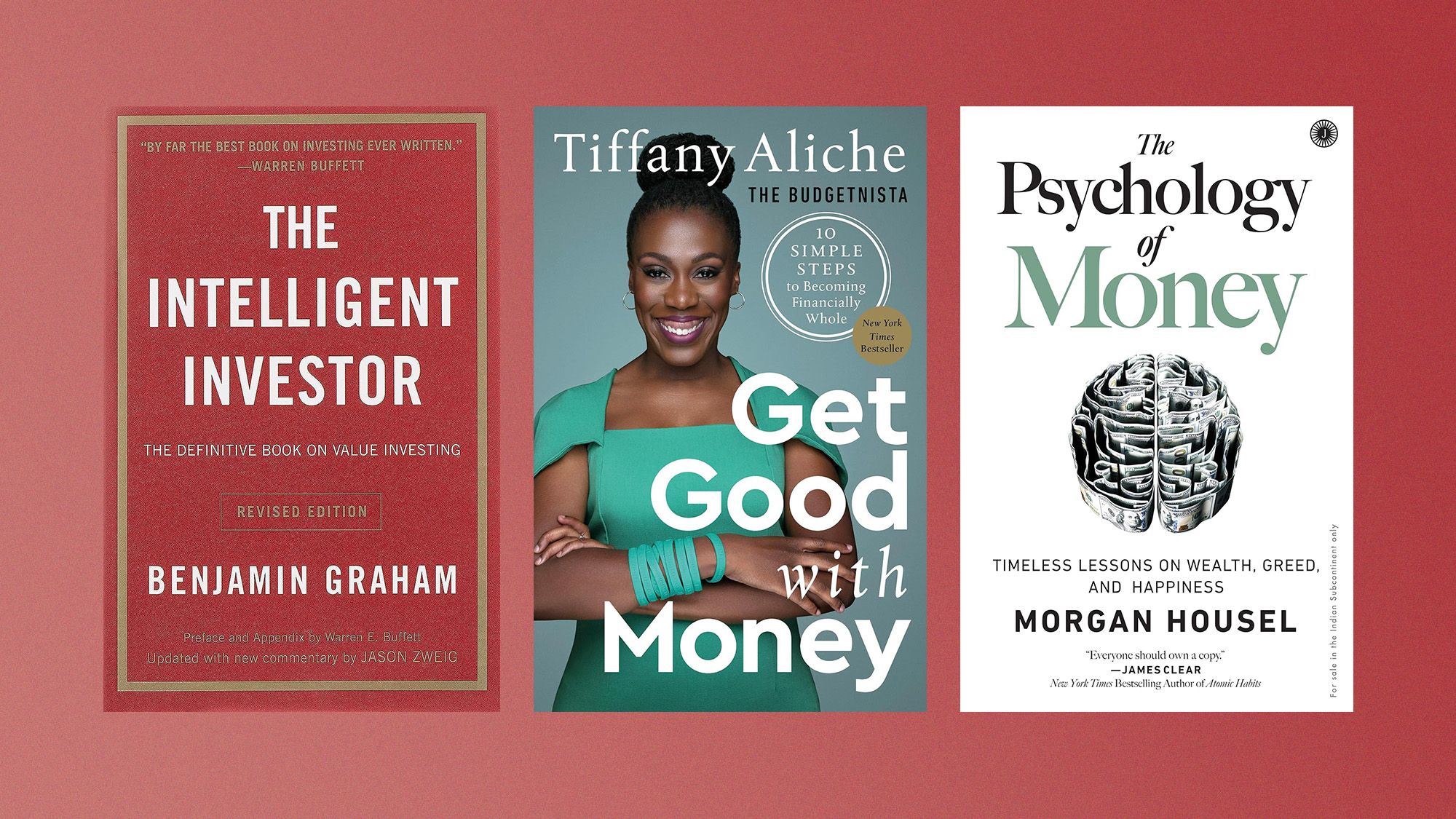
Master your money with these five top-rated personal finance books covering budgeting, debt management, and long-term investment strategies.
Foundational Financial Literacy
Building a strong financial foundation requires understanding how to track cash flow and manage existing liabilities. The following literary selections provide structured methodologies for individuals looking to stabilize their economic standing through disciplined budgeting and debt reduction techniques.
Effective money management often begins with identifying spending patterns. By utilizing the principles found in these texts, readers can transition from reactive spending to proactive financial planning.
Core Financial Competencies
The selected books focus on three primary pillars of personal wealth management:
- Budgeting: Creating sustainable frameworks to monitor income and expenses.
- Debt Management: Implementing strategic plans to reduce high-interest liabilities and improve credit health.
- Investing: Understanding market fundamentals to facilitate long-term capital growth.
For those currently struggling with high-interest consumer debt, these resources offer step-by-step guidance on repayment models, such as the snowball or avalanche methods. These strategies aim to minimize interest payments and accelerate the path to becoming debt-free.
Transitioning to Wealth Building
Once a baseline of financial stability is established, the focus shifts toward wealth accumulation. Investing remains a critical component of long-term financial security, yet it can appear intimidating to beginners.
These guides simplify complex economic concepts, making them accessible to the average consumer. They cover topics such as:
- The power of compound interest over extended time horizons.
- Asset allocation and the importance of diversification.
- The psychological aspects of managing money and avoiding emotional market decisions.
By applying the lessons from these highly-regarded texts, readers can develop a customized roadmap for achieving their specific financial goals, whether that involves building an emergency fund or preparing for retirement.