China deploys rooftop mist cooling to combat extreme heatwaves
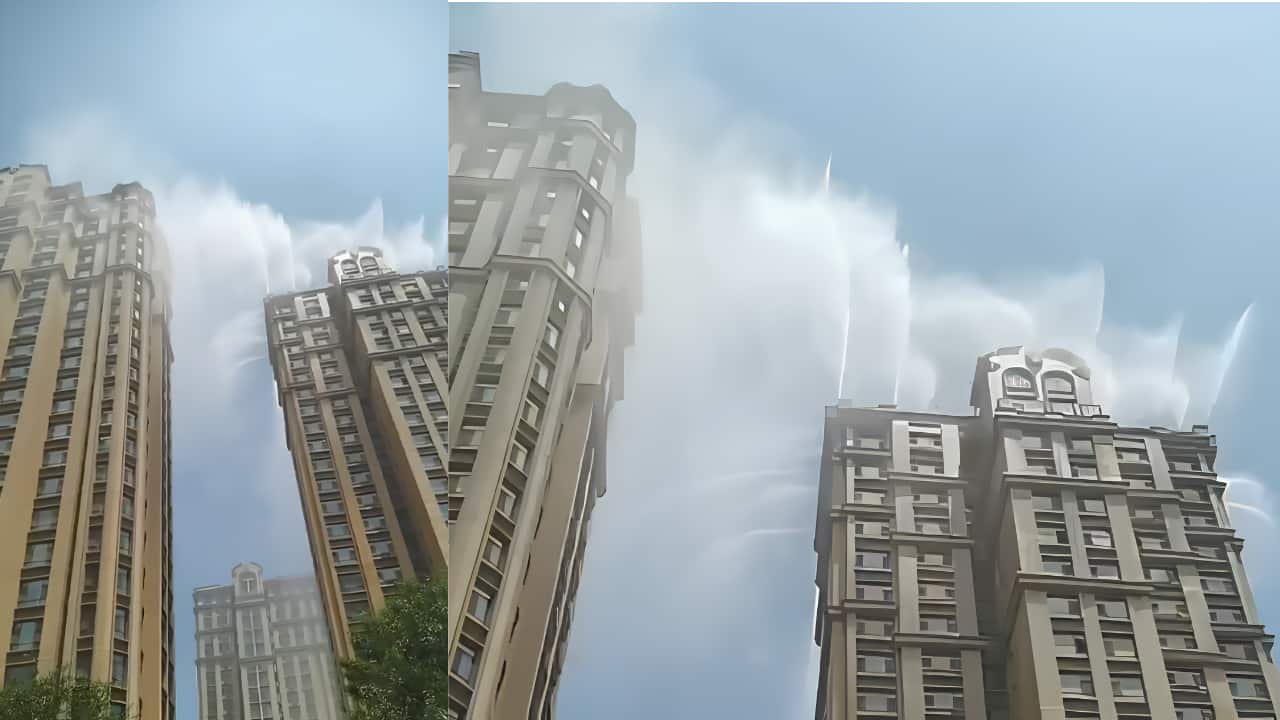
Chinese cities are implementing rooftop mist cooling systems on high-rise buildings to mitigate rising outdoor temperatures during extreme heatwaves.
Urban heat mitigation strategies
As extreme temperatures continue to affect urban centres across China, municipal authorities are turning to large-scale cooling technologies to protect public spaces. The deployment involves installing advanced mist cooling systems atop high-rise structures to combat the intensifying heatwave conditions.
These systems function by releasing a fine spray of water into the air, which absorbs heat through evaporation. This process, known as evaporative cooling, can significantly lower the ambient temperature in the immediate vicinity of the buildings, providing relief to pedestrians and reducing the urban heat island effect.
The mechanics of outdoor cooling
The technology behind these 'outdoor AC' systems relies on precision nozzles that create a microscopic mist. This fine dispersion ensures that the water evaporates almost instantly upon contact with the air, preventing the ground or pedestrians from becoming excessively wet while maximising thermal reduction.
Key components of these urban cooling installations include:
- High-pressure misting nozzles mounted on building perimeters and rooftops.
- Automated sensor systems that trigger cooling based on real-time temperature and humidity readings.
- Water recycling systems designed to minimise waste in water-stressed urban environments.
Addressing the urban heat island effect
Urban areas often experience higher temperatures than surrounding rural regions due to the concentration of concrete, asphalt, and human activity. This phenomenon, called the urban heat island effect, is being addressed by integrating cooling infrastructure directly into the city's vertical architecture.
By utilising high-rise rooftops, cities can deploy cooling mist at elevations where wind patterns can help distribute the cooled air more effectively across street levels. This approach aims to create more habitable microclimates within densely populated metropolitan zones.
While traditional air conditioning units cool indoor environments, they often expel hot air into the streets, contributing to outdoor temperature rises. In contrast, these rooftop misting systems are designed to actively lower the external ambient temperature, offering a different approach to urban climate adaptation.