
AI technology risks eroding human cognitive independence
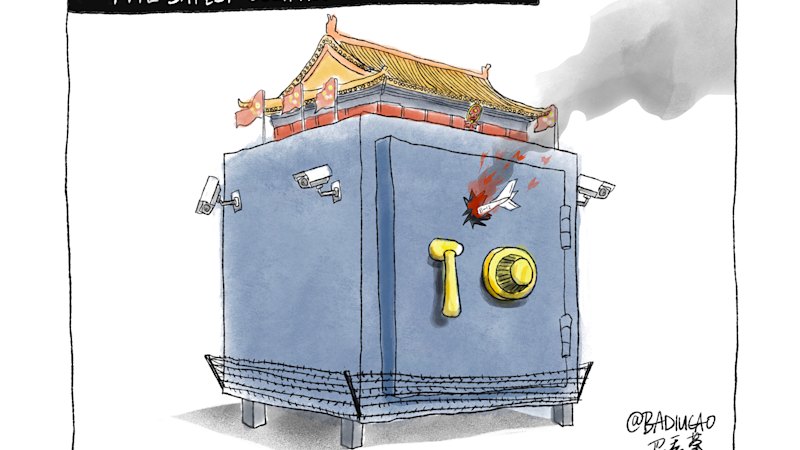
Artificial Intelligence poses a significant threat to independent thought and cognitive autonomy, according to recent reader concerns and debate.
The impact on critical thinking
Growing concerns have emerged regarding the integration of Artificial Intelligence into daily life and its long-term effects on human intellect. Critics argue that as society becomes increasingly reliant on automated systems for problem-solving and information processing, the fundamental ability to think critically may decline.
The concern centres on the delegation of mental tasks to algorithms. When individuals rely on AI to synthesise information, draft communications, or make decisions, they bypass the cognitive friction required to develop deep understanding and original perspectives.
Cognitive dependency and automation
The rapid adoption of generative models and predictive text technologies creates a feedback loop of convenience. This convenience often comes at the cost of mental effort, leading to several potential societal risks:
- Reduced analytical depth: Over-reliance on AI-generated summaries may prevent users from engaging with complex, nuanced source material.
- Erosion of original thought: Constant exposure to algorithmic suggestions can homogenise ideas and stifle unique human creativity.
- Loss of decision-making agency: Automated recommendations in everything from news consumption to navigation can diminish individual autonomy.
Observers suggest that the ease of obtaining immediate, machine-generated answers discourages the rigorous inquiry and patience necessary for genuine learning.
The debate over technological progress
While proponents of AI highlight its capacity to augment human capability and handle vast datasets, the counter-argument remains focused on the psychological toll of automation. The central tension lies in whether these tools serve as extensions of human intelligence or as replacements for the cognitive processes that define human reasoning.
As these technologies continue to evolve, the challenge for users and educators will be maintaining the distinction between assisted productivity and the loss of independent mental faculty. The debate highlights a growing necessity for digital literacy that emphasises the preservation of human-led critical analysis in an automated era.