
Oral surgeon warns dehydration is main dental threat on overnight flights
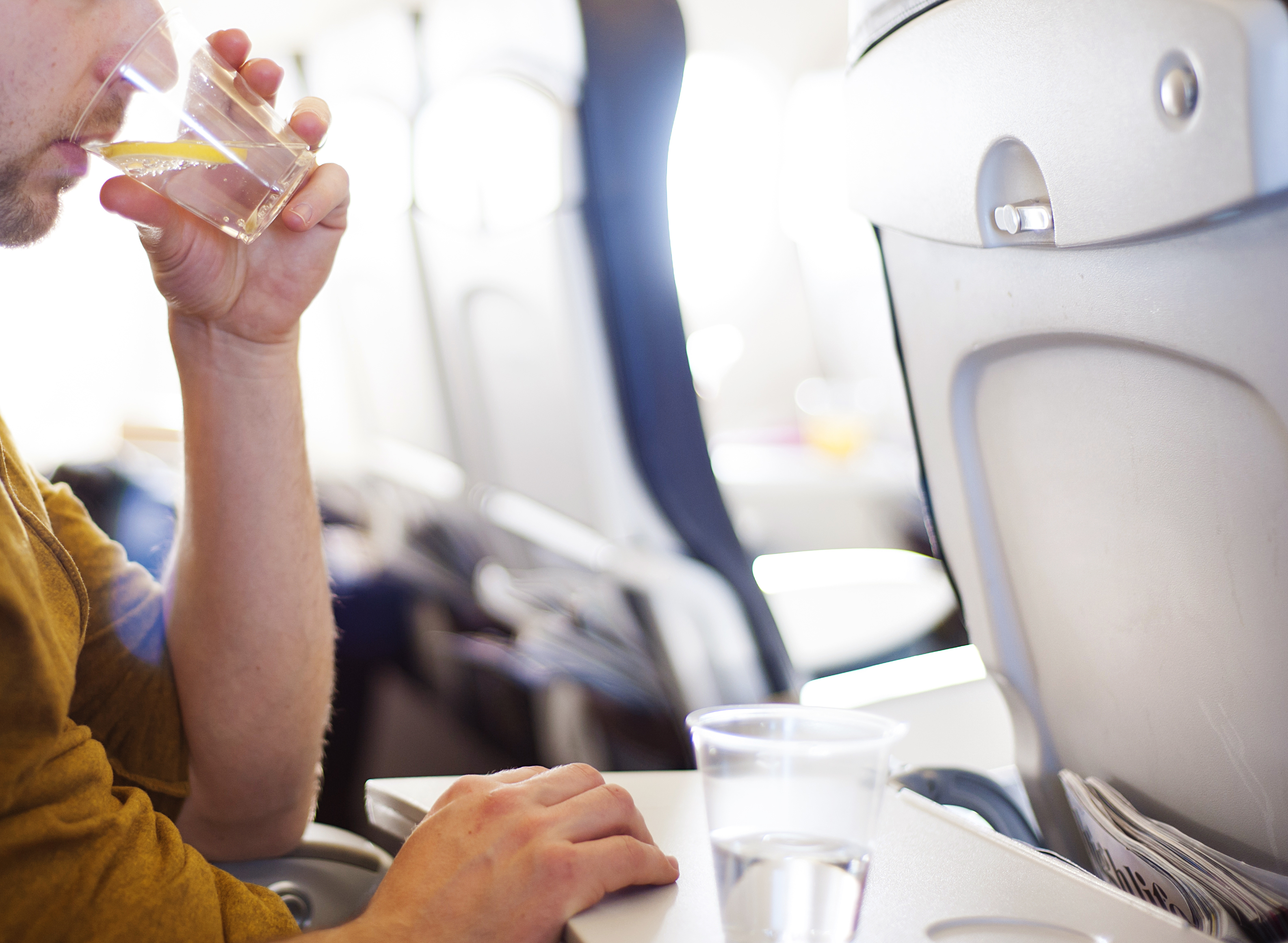
Dehydration poses a greater risk to dental health during overnight flights than missing a single night of brushing, according to an oral surgeon.
The Impact of Cabin Air
Flying overnight introduces specific environmental factors that can compromise oral hygiene. While many travellers focus on maintaining their standard brushing routine, dehydration emerges as a primary concern for tooth and gum health.
The low humidity levels found in aircraft cabins significantly reduce saliva production. Saliva plays a vital role in neutralising acids produced by bacteria and washing away food particles that contribute to decay.
Saliva and Oral Protection
When saliva levels drop due to the dry air in a plane, the mouth's natural ability to protect itself diminishes. This state, often referred to as xerostomia or dry mouth, creates an environment where oral bacteria can thrive more easily.
- Reduced saliva leads to increased acidity in the mouth.
- Dry oral tissues are more susceptible to irritation.
- Lack of lubrication can increase the risk of tooth sensitivity.
An oral surgeon suggests that while skipping a night of brushing is not ideal, the physiological impact of a dry mouth during long-haul travel requires proactive management to prevent long-term damage.
Managing Dental Health While Travelling
To mitigate these risks, passengers can take several practical steps to maintain moisture levels during a flight. Staying hydrated is the most effective way to support saliva production and maintain the protective qualities of the oral environment.
Consuming adequate water throughout the flight can help combat the drying effects of cabin pressure and low humidity. Additionally, choosing beverages that do not contribute to further dehydration or acidity can assist in maintaining dental stability during travel.


